
Technology · CC-LOT
Engineering light,
end to end.
CC-LOT connects optical design, material decisions, validation and production in one focused development system for cars, motorcycles and trucks.
Explore the engineeringDesign
Start with what the driver needs to see.
Brightness is not the starting point. The road is. Distance, width, road markings, obstacles and oncoming traffic define the problem first. Then we decide where the light needs to go.
The position changes everything.
A fractional movement of the light source can change the beam. The LED emitting surface must correspond with the original filament position and the reflector or projector focal point. We put the source where the optical system expects it.
Control the source. Control the beam.
Source control shapes focus, cutoff, usable width and center intensity. It also reduces scattered light and glare before they reach the road.
A beam is a balance.
Distance, width, uniformity and control must work together. Light in the wrong place is not useful output—it is wasted light.
More usable light. Less wasted light.
Optical efficiency begins with geometry, not wattage. The aim is to convert available output into road information the driver can actually use.
Awards
Design
recognized
in 2017.
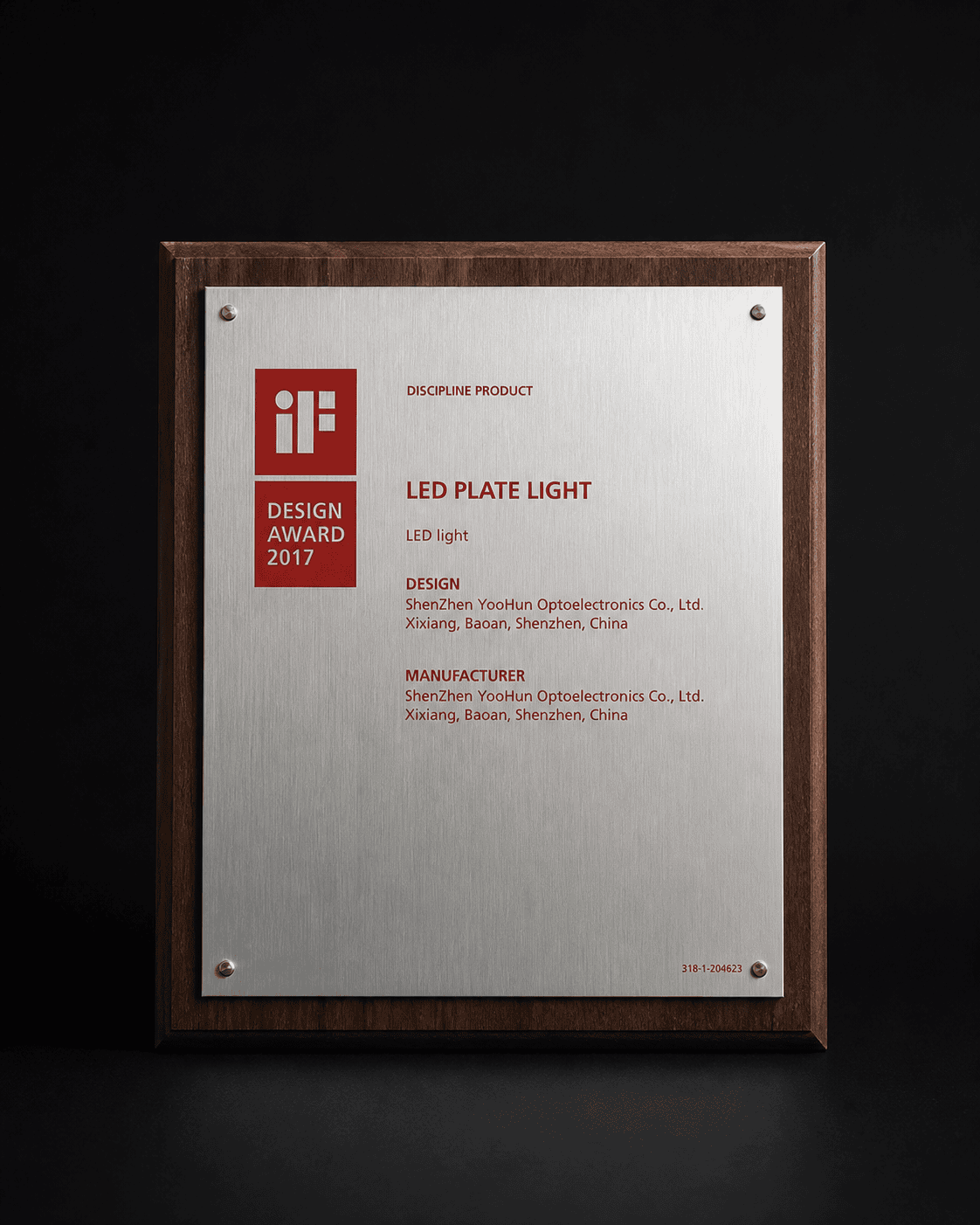
The LED Plate Light developed by Shenzhen YooHun Optoelectronics Co., Ltd.—a Yufing Group company in the same manufacturing ecosystem as CC-LOT—received the iF Design Award 2017 in the Product discipline.
Prototyping
Make the idea testable.
A prototype turns design intent into something that can be measured. Emitter position, focal accuracy, component clearance, thermal path and optical alignment are reviewed together.
Refine. Measure. Refine again.
Optical source, system geometry and structure evolve through repeated physical checks. Each revision removes uncertainty before tooling.
From one part to repeatable assembly.
A physical part brings the details into view. Position, clearance and assembly access must work together before the process can be repeated.
The target is not the prototype. The target is repeatability.
A successful prototype proves that the intended optical performance can be transferred into a product that can be made consistently.
Materials
Material is part of the engineering.
A lighting material must carry heat, hold optical position, protect electronics, seal the assembly and survive temperature and vibration. Selection begins with the complete system.
Aluminum where heat needs to move.
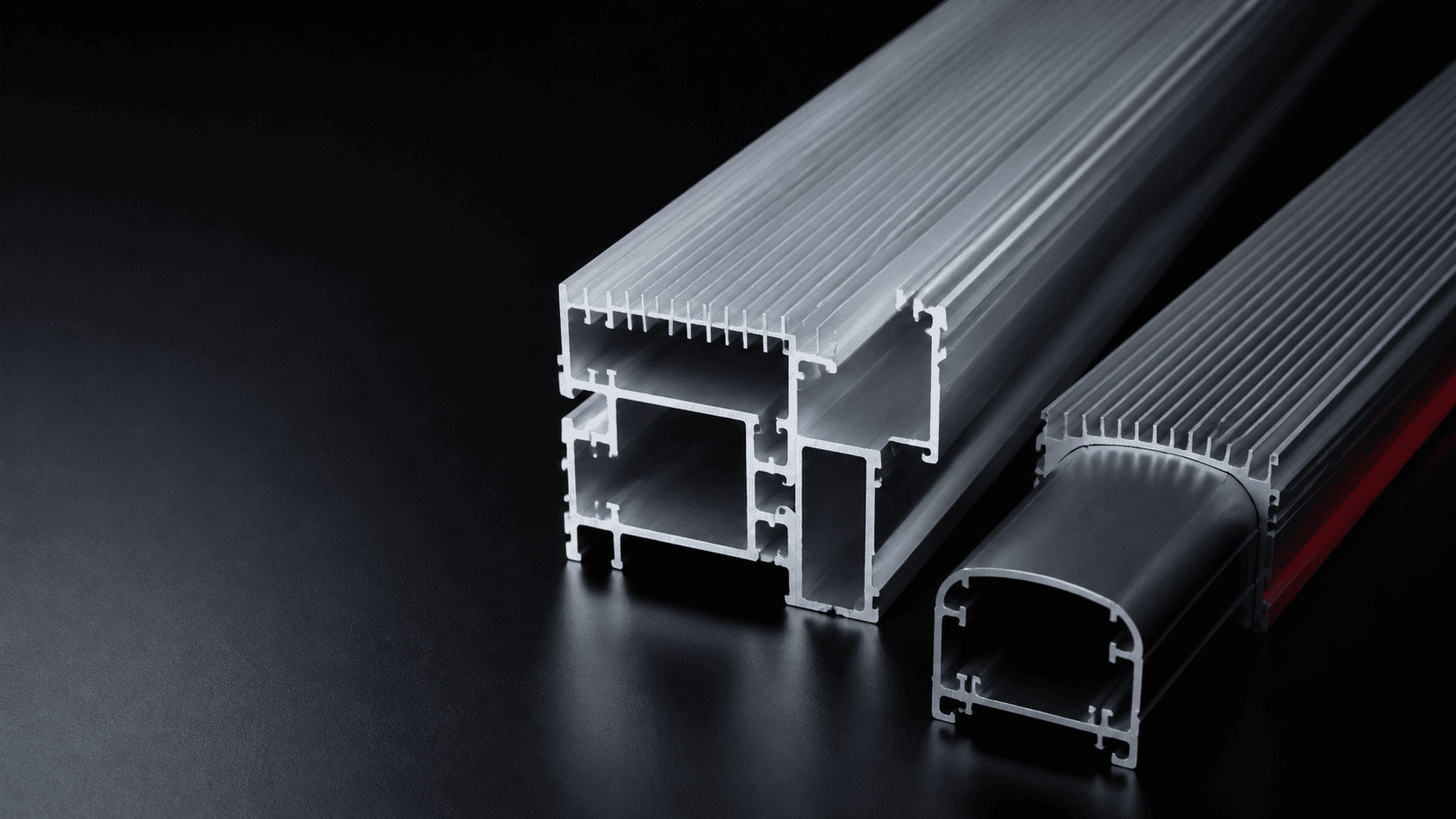
Depending on product architecture, CC-LOT uses high-conductivity aluminum alloys including 6061, 6063 and ADC12. Fin geometry, surface area and interface contact are developed as part of the thermal path.
Move heat before it builds.
Selected platforms use copper structures and heat pipes to transfer thermal energy away from concentrated LED junctions toward a larger exchange area.
The thermal path starts at the LED.
Metal-core and copper PCB architectures are selected by platform so heat can leave the emitter efficiently and enter the designed cooling structure.
Give every material a job.
The component model brings shape and material decisions together. Wall thickness, mounting features and space around the part are reviewed alongside its role in the assembly.
Shape is part of the system.
A material choice becomes useful through the geometry around it. The housing, cooling structure, wiring and interfaces need room to work together, from the digital review to the physical assembly.
Optical Laboratory
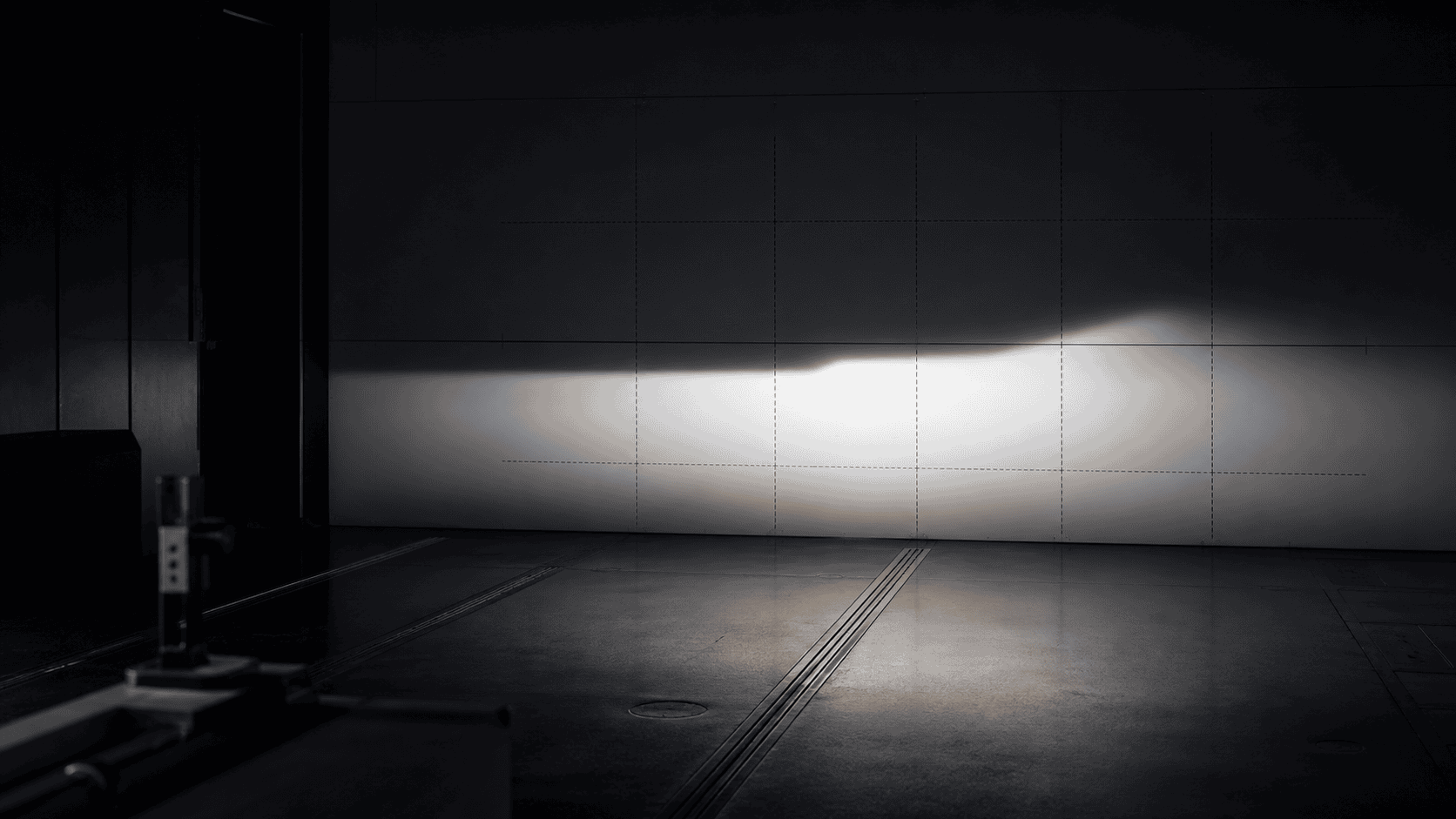
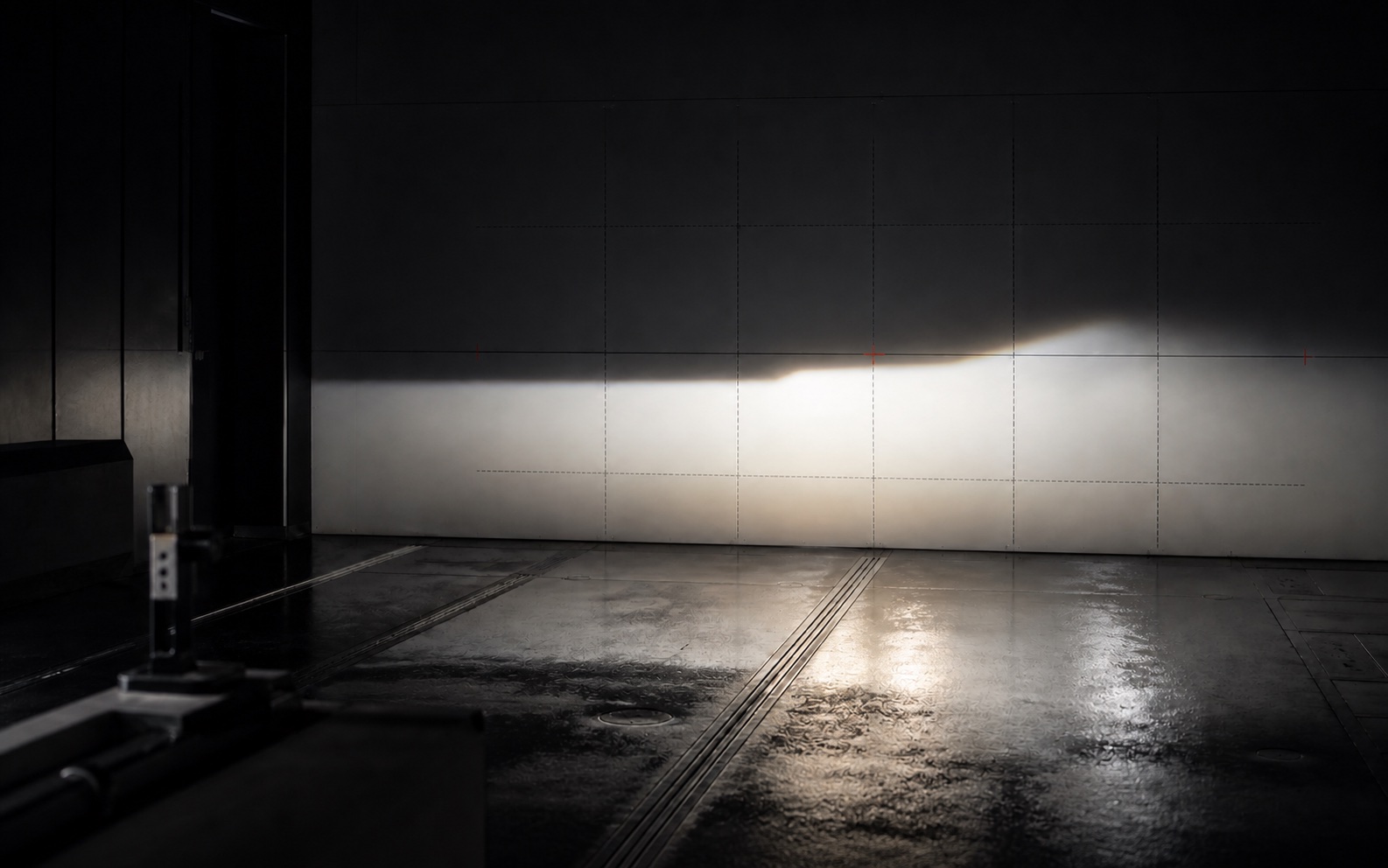
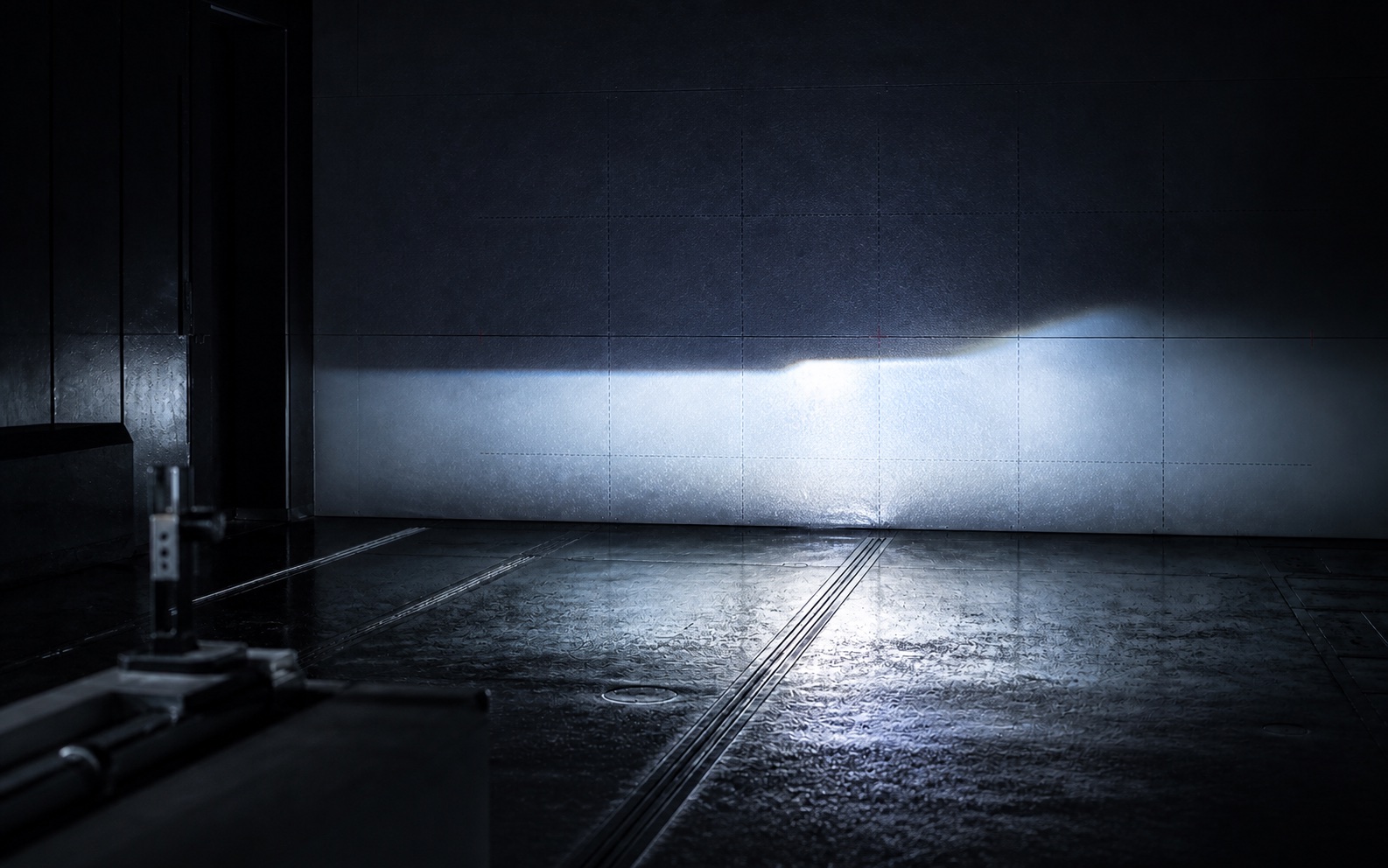
Measure the beam. Not the impression.
The best headlamp is not simply the brightest. Intensity matters only when its distribution gives the driver useful road information without sending uncontrolled light toward other traffic.
Where does the light go?
- Focus
- Width
- Distance
- Uniformity
- Cutoff
- Center intensity
- Scattered light
- Glare
Every lumen needs a job.
We concentrate light on the road areas the driver must resolve, suppress it above the cutoff and control it away from oncoming traffic. Usable illumination—not power alone—is the target.
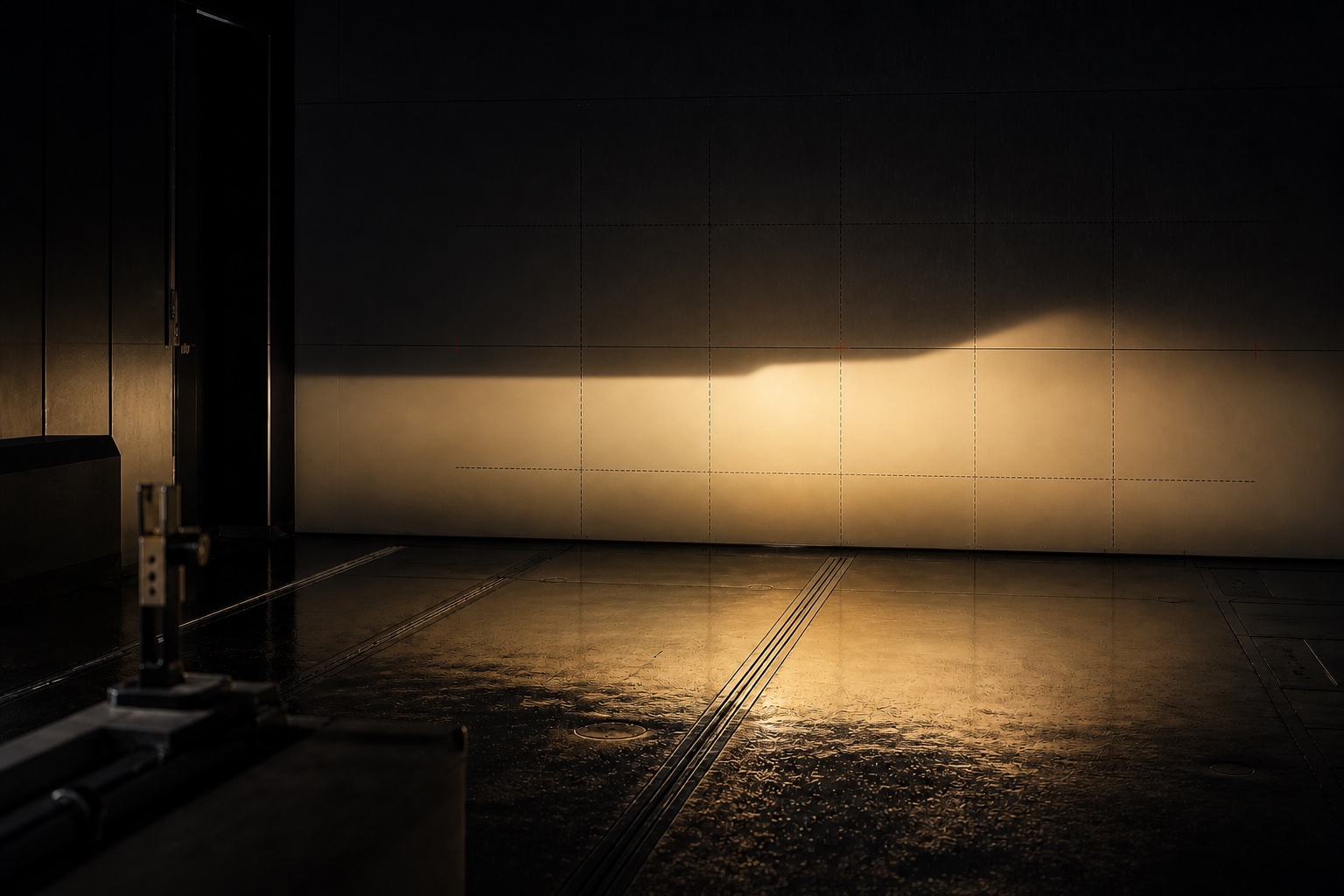
3000K. Warm light for difficult weather.
Warm yellow light reduces blue content and can preserve useful contrast in rain or fog, with less visually dominant backscatter from suspended moisture.
4300K. A balanced road reference.
Neutral white balances surface-color recognition, road contrast and wet-surface reflection across mixed everyday conditions.
6000K. Crisp, with more weather sensitivity.
Cool white can feel crisp on a clear, dry road, but rain, mist and wet surfaces can make scatter and reflected glare more apparent. Beam control remains essential.
The lab is not the road. The road is the reason.
Long-range reach, wide-area awareness, a disciplined cutoff, low glare and stable output are measured so the final beam works outside the laboratory.
Turn light into control.
The result is not light scattered farther. It is the right light, placed where the driver needs it and restrained where another road user needs protection.
Testing
Test where conditions compound.
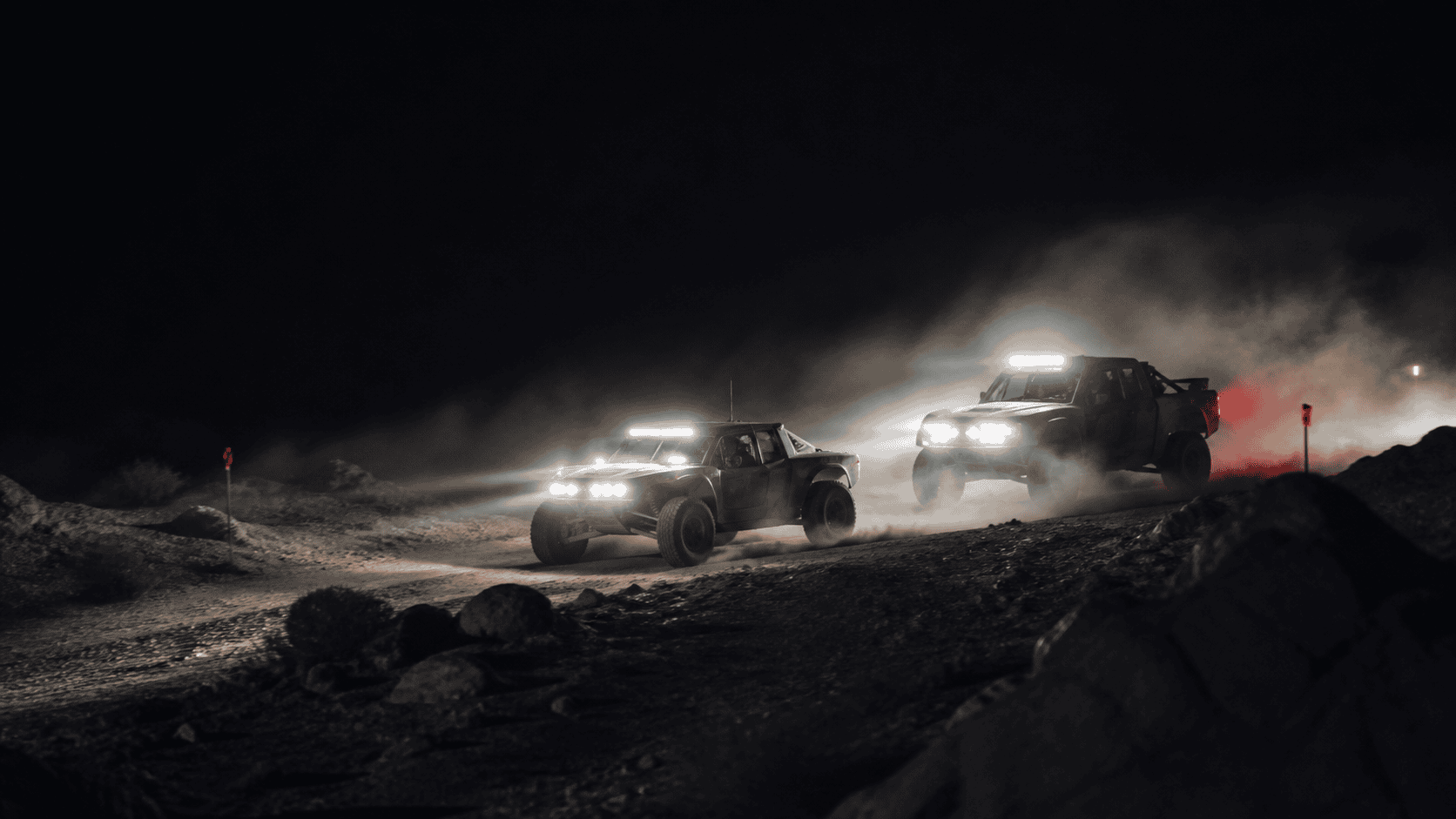
CC-LOT works with teams operating in Dakar Rally and Baja 1000 conditions. Development reviews are framed against desert ambient above 40°C (104°F), Dakar 48-hour stages approaching 958 km and recent Baja routes near 1,400 km—where vibration, dust, water, heat and sustained night operation converge.
Initial brightness is easy. Sustained brightness is engineering.
Extended operation exposes the difference between a high initial reading and output that remains controlled as the complete system reaches operating temperature.
Heat never stays in one place.
LED, PCB, driver, heat sink and fan behave as one thermal system. A weakness at any interface changes the performance of the whole lamp.
Bigger is not always better.
Fin quantity, spacing, thickness, surface area and airflow must be balanced. More material without a working exchange path does not guarantee better cooling.
Transfer. Exchange. Cool.
Selected platforms combine heat pipes with controlled airflow to move concentrated heat toward an area where it can be exchanged efficiently.
A car is not a lab power supply.
Engine startup, battery condition, alternator behavior and changing vehicle loads create a supply environment that must be considered from the beginning.
Stable current. Stable light.
Constant-current architecture helps keep LED operation controlled while the vehicle supply changes around it.
Abnormal conditions are part of automotive electrical engineering.
- Over-voltage
- Under-voltage
- Over-current
- Short circuit
- Reverse polarity
- Over-temperature
- Transient voltage
Not all electrical noise is audible.
EMI behavior is addressed through PCB layout, grounding, filtering and suppression so lighting electronics can coexist with real vehicle systems.
Built for real vehicle conditions.
Voltage fluctuation, engine-start stress, temperature variation, continuous operation, EMI and transients are assessed as one operating environment.
Production
Control the process, from machine to hand.
Repeatable production depends on both controlled equipment and trained inspection. Machining, assembly, electrical connection and final review are treated as one connected quality path.
A precise design means nothing if it cannot be repeated.
LED position, PCB placement, optical alignment and final inspection translate engineering intent into a controlled production result.
From engineering target to finished light.
Process control keeps the finished lamp as close as possible to the optical, thermal and electrical target established during development.
Manufacturing, in detail.
Explore the manufacturing system behind CC-LOT automotive lighting.